Choosing the Right Size Ensemble for Your Wedding: Soloist, Duo, Trio, or String Quartet?
When planning your wedding music, one of the first decisions you’ll make is how many musicians you want performing. The size of the ensemble can dramatically affect the sound, atmosphere, and overall experience of your ceremony or event.
At Sounds of Summit, we offer several ensemble options so couples can choose what best fits their vision, venue, and budget. Below is a simple guide to help you understand the difference between a soloist, duo, trio, and string quartet and which might be the best fit for your wedding day.Wedding Soloist (Violin/Fiddle, Cello, Harp, or Guitar)
Soloist
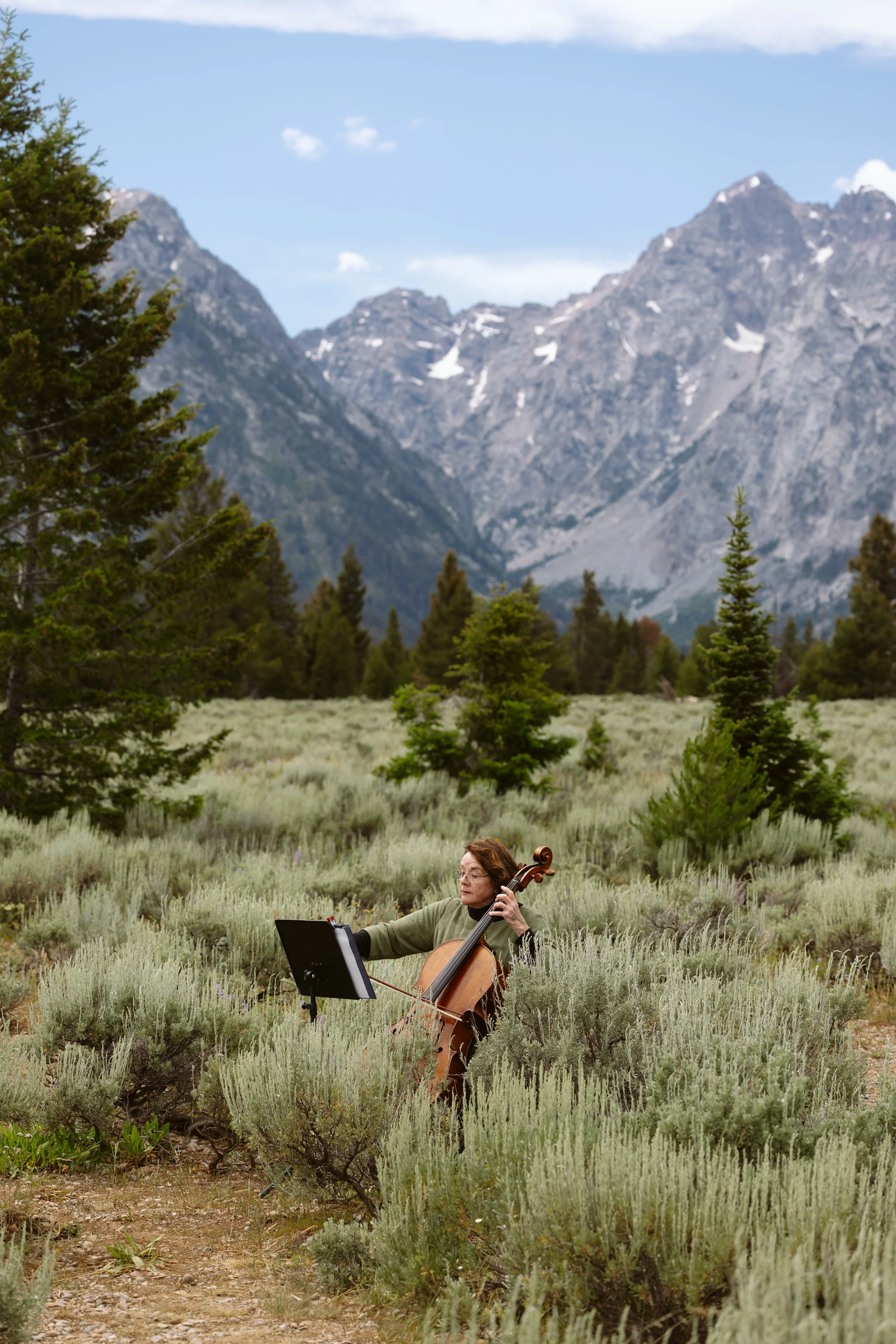
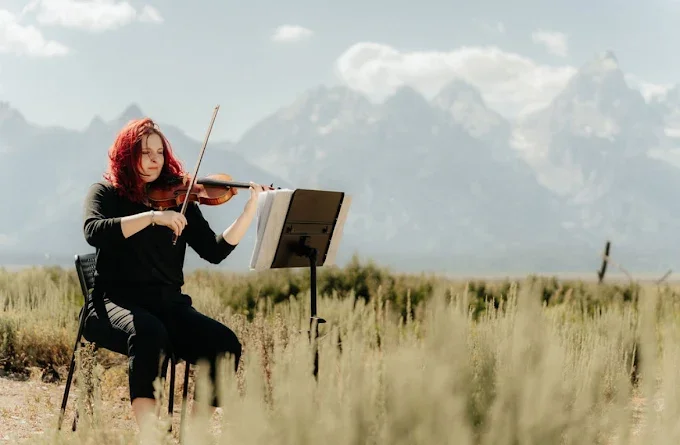
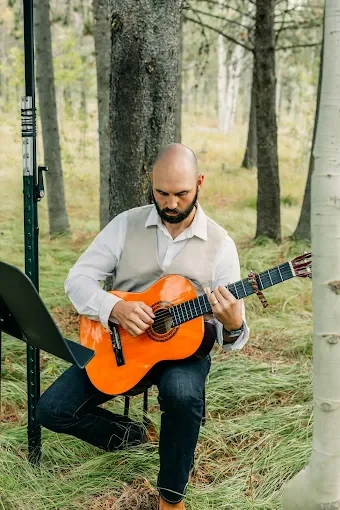
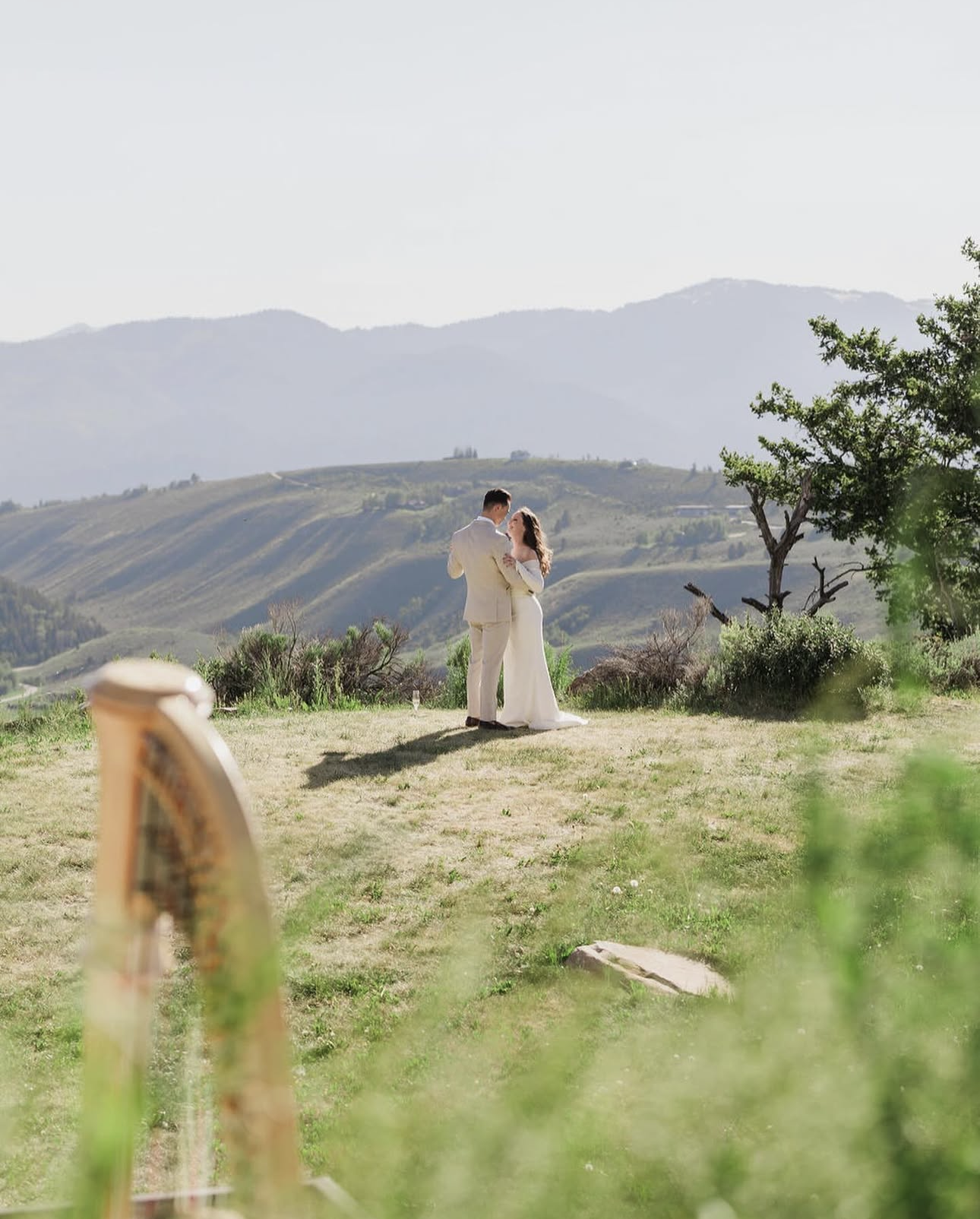
A soloist is a single musician performing alone. This could be a violinist, cellist, guitarist, harpist, or another instrument depending on the style you’re looking for.
Soloists are a beautiful option for intimate weddings, elopements, and small ceremonies. Many couples getting married in Jackson Hole mountain venues, The Wedding Tree in Bridger-Teton National Forrest, or small Sun Valley chapels love the simple elegance a soloist brings.
What it sounds like
A solo instrument creates an intimate and elegant atmosphere. It works especially well for smaller weddings or venues where a full ensemble might feel too large.
Best for
Small or intimate ceremonies
Elopements
Budget-friendly music options
Elegant and romantic atmosphere
Things to consider
Because only one instrument is playing, the music may sound lighter and less full than a larger ensemble. However, an experienced soloist can still create a beautiful and memorable musical backdrop.
A solo violinist or cellist can perform everything from classical wedding music to modern songs arranged for a single instrument.
Duo
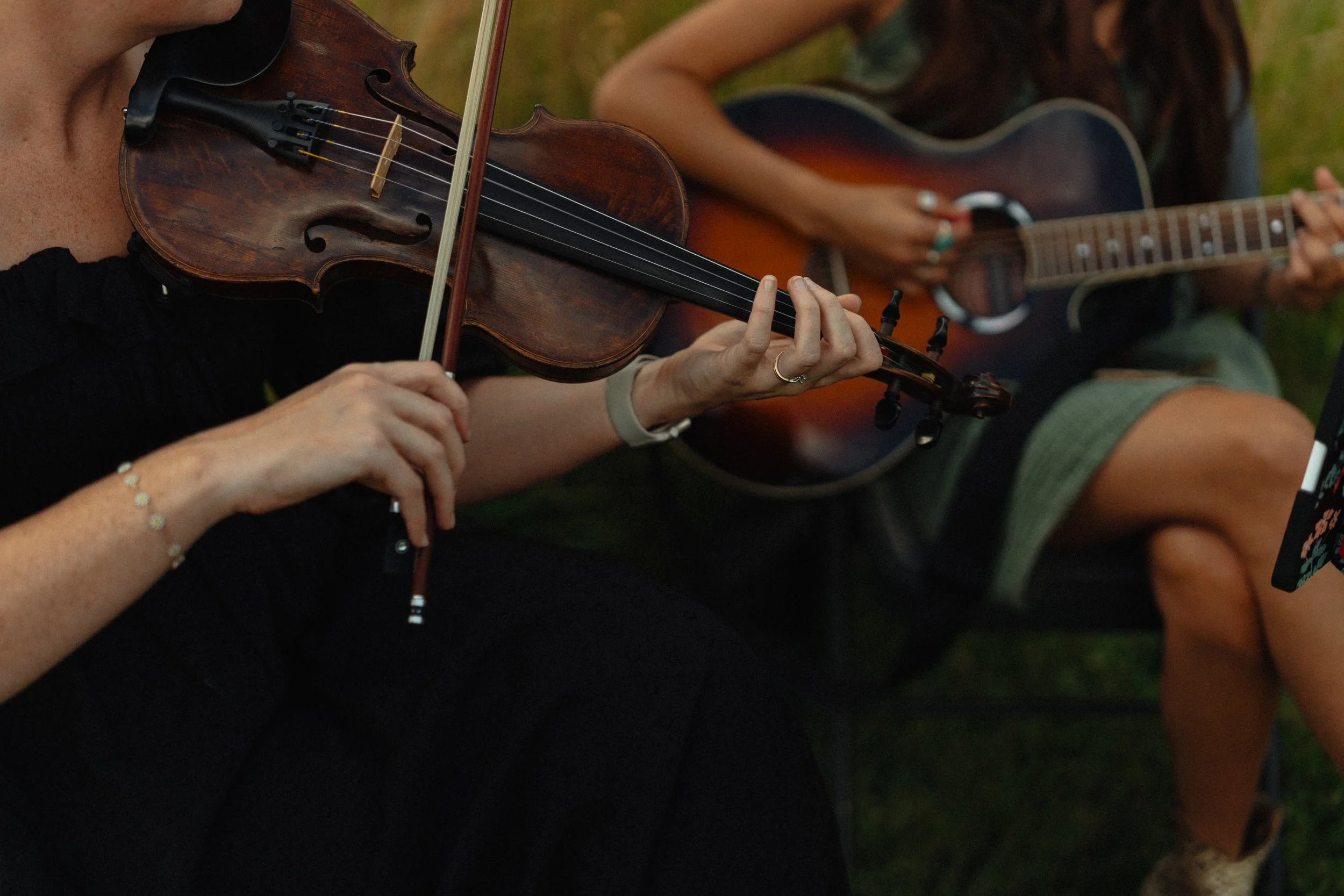
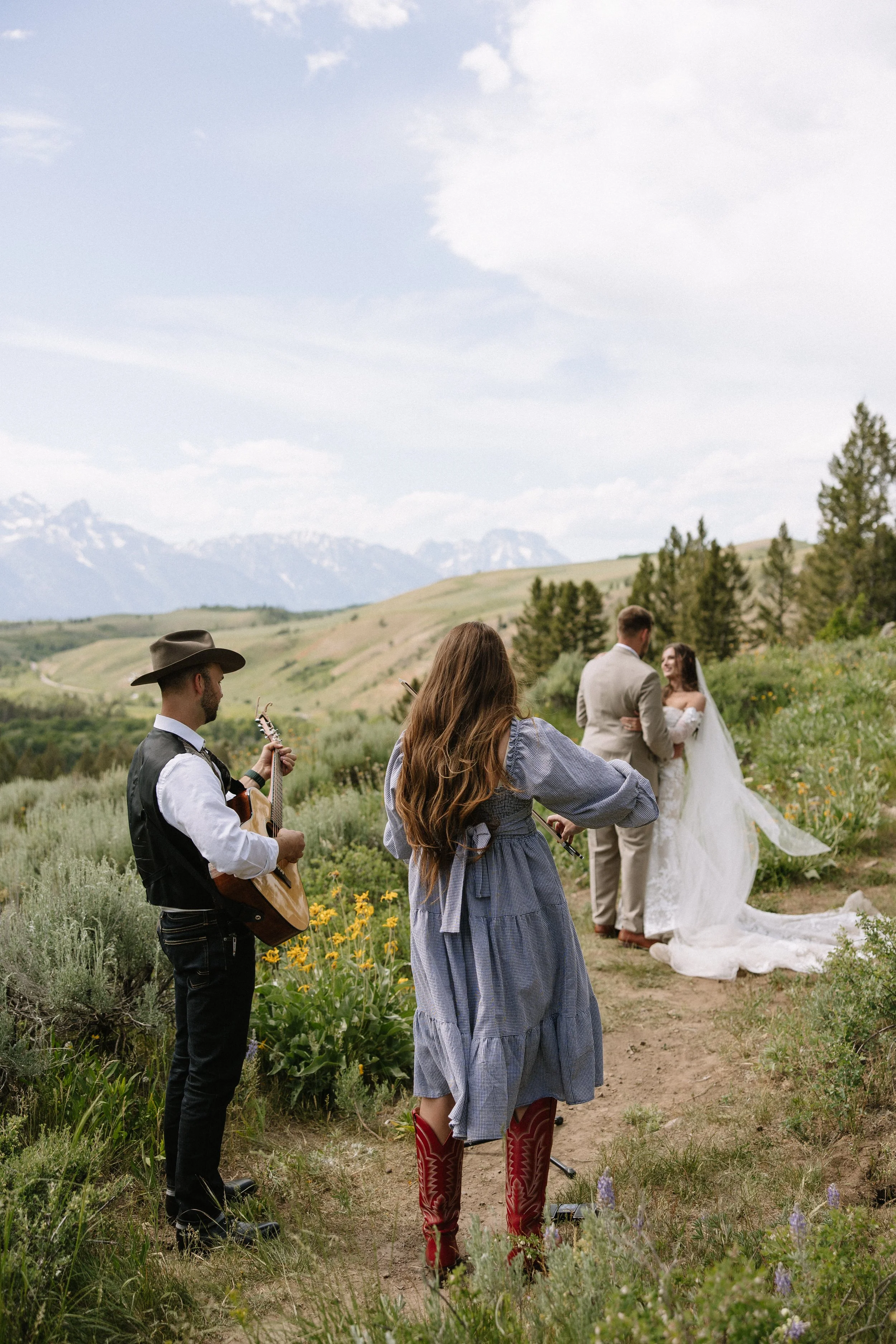
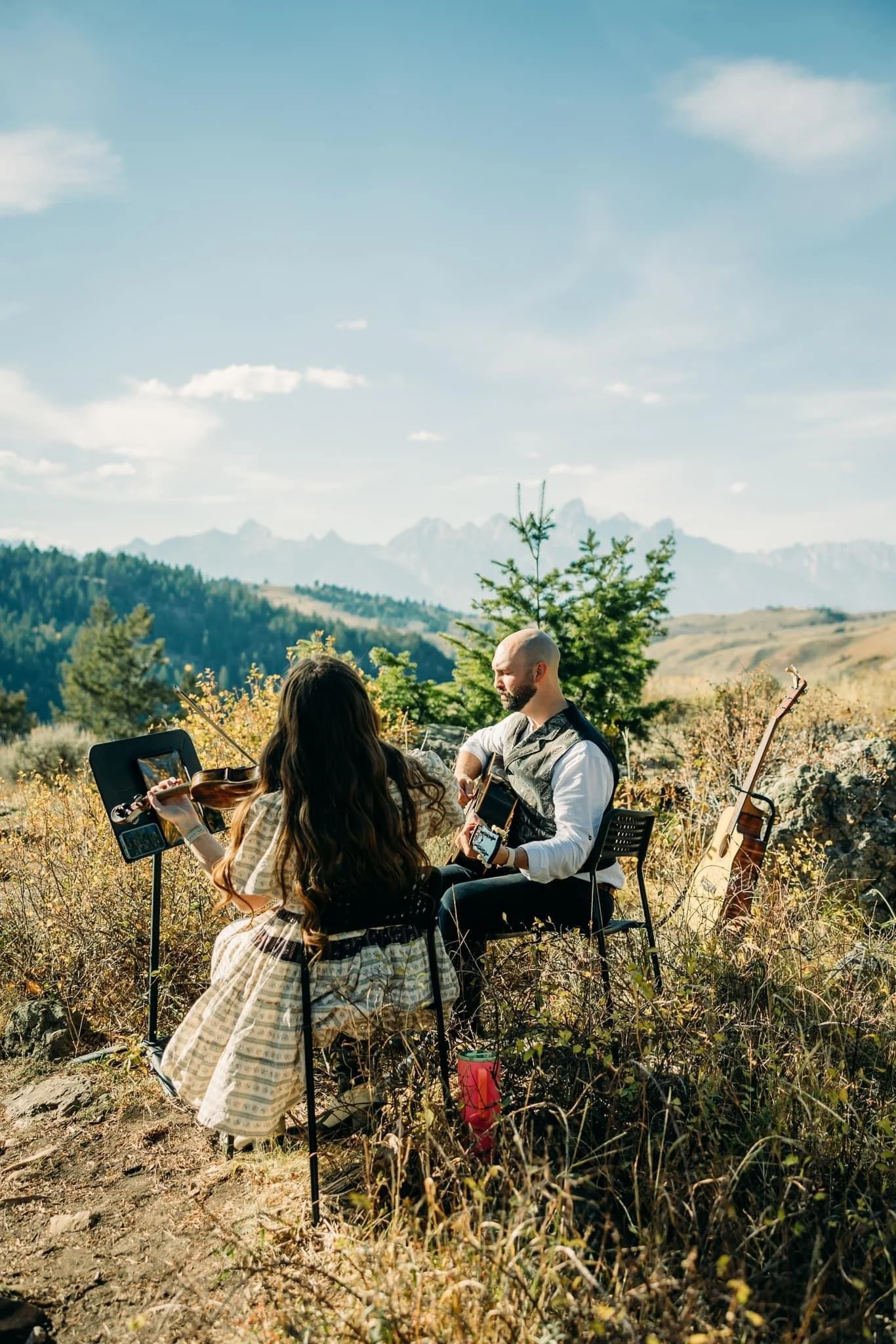
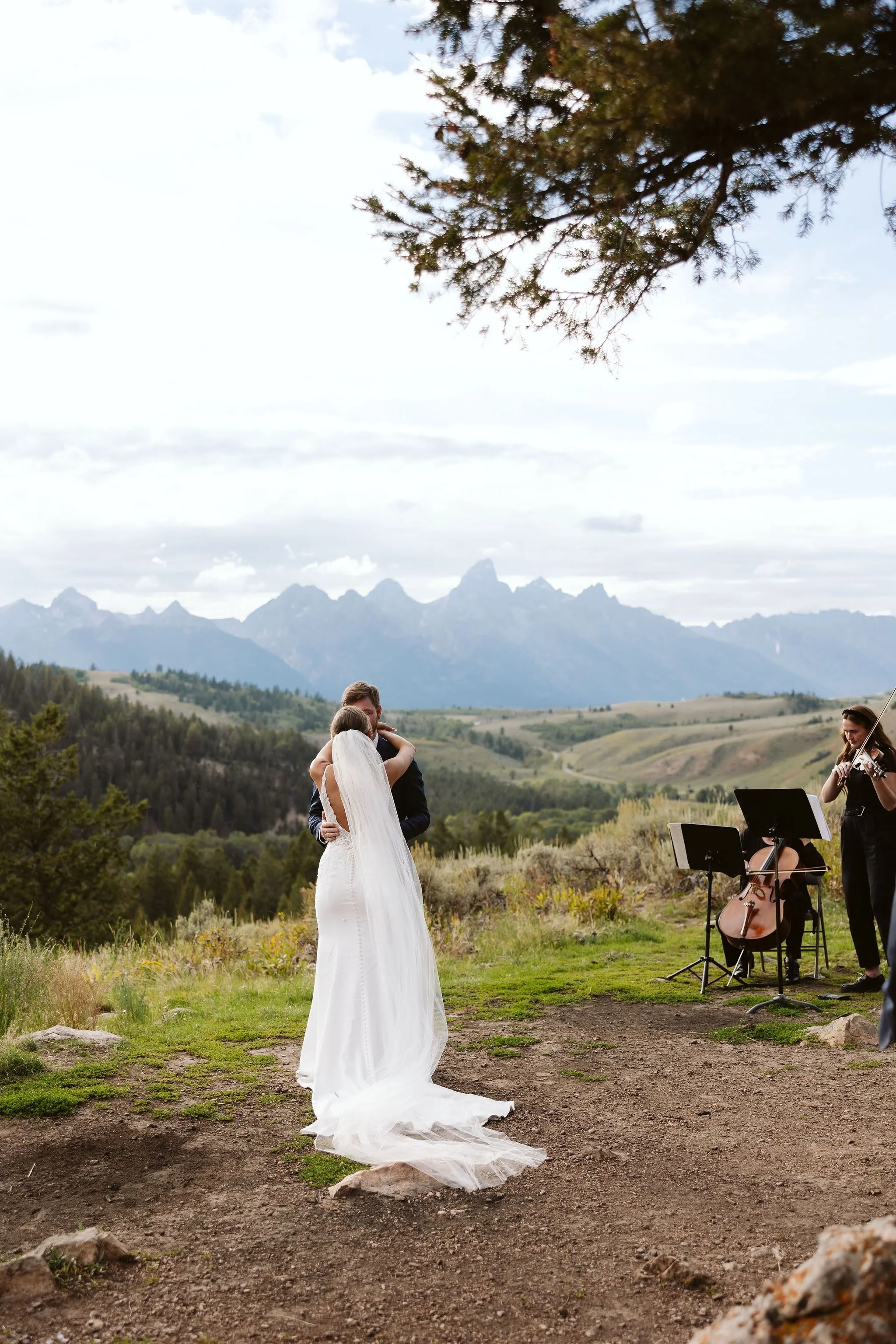
A duo includes two musicians playing together. Common pairings include violin and cello, two violins, violin & harp, cello & harp, or violin and guitar.
What it sounds like
Adding a second instrument immediately creates more depth and harmony. One musician often plays the melody while the other supports with harmony or rhythm.
Best for
Medium-sized ceremonies
Couples who want richer sound than a soloist
Cocktail hour music
Indoor venues or smaller outdoor spaces
Things to consider
A duo is often a great middle-ground option—fuller than a soloist while still remaining affordable and flexible.
Trio
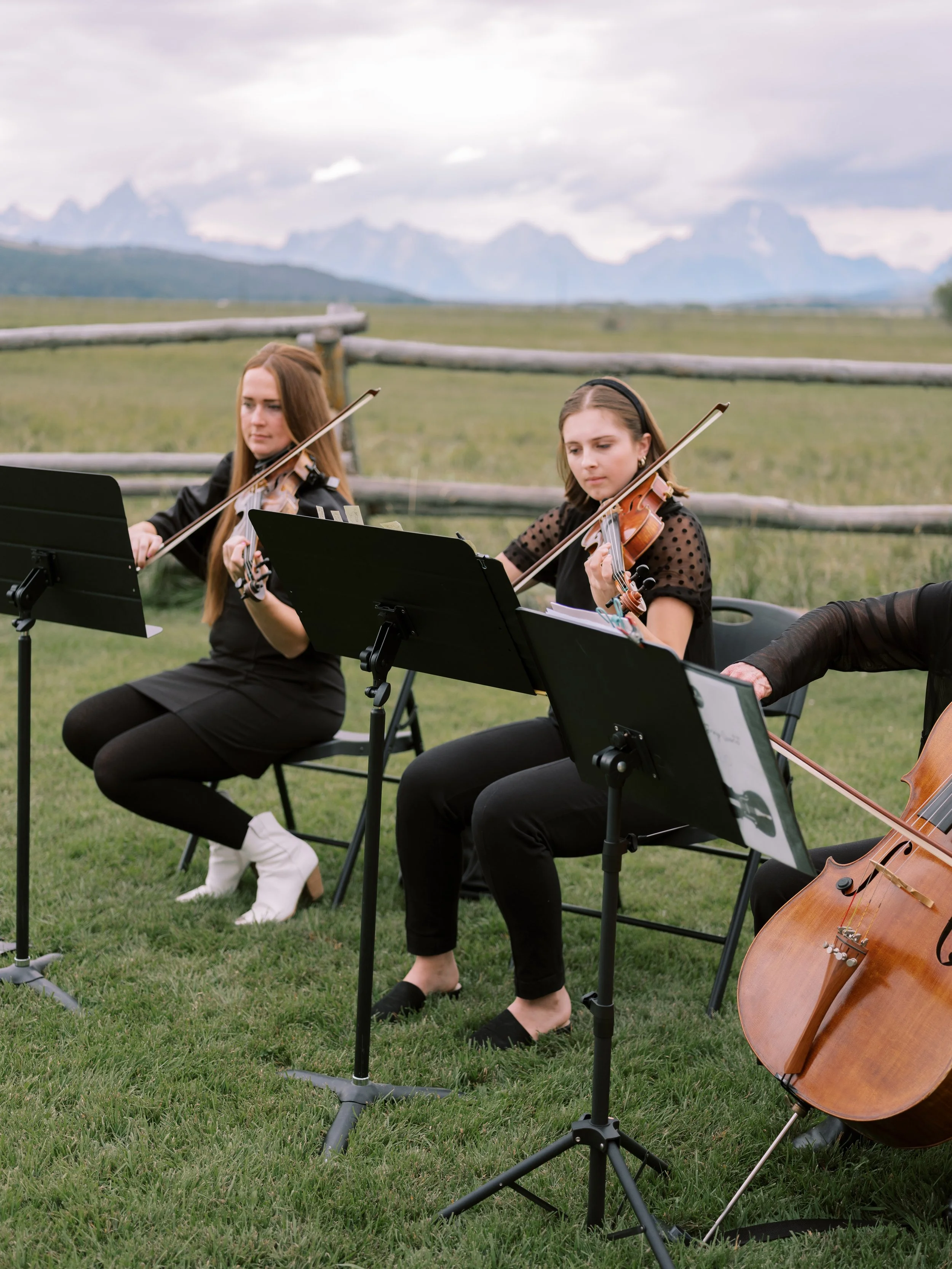
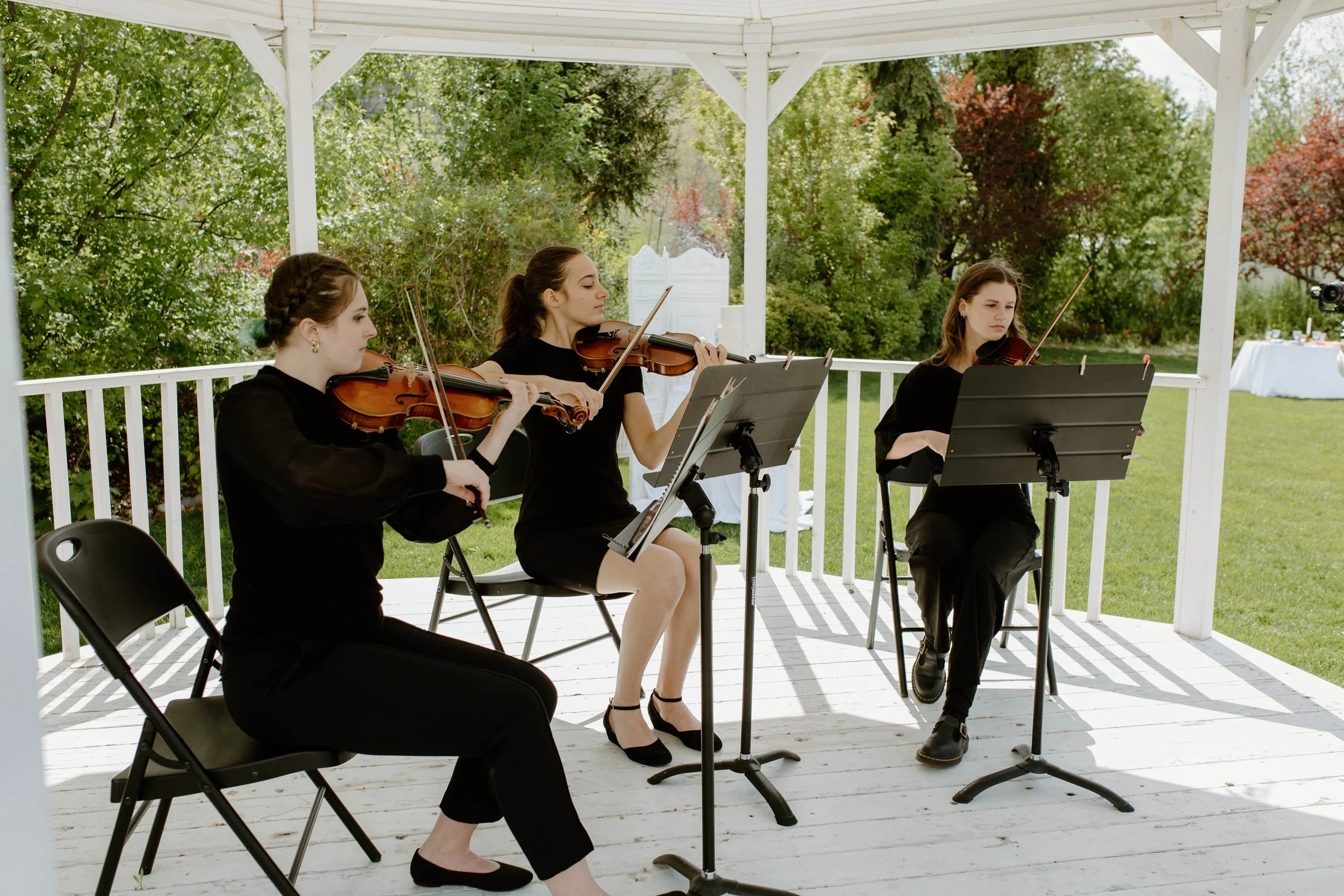
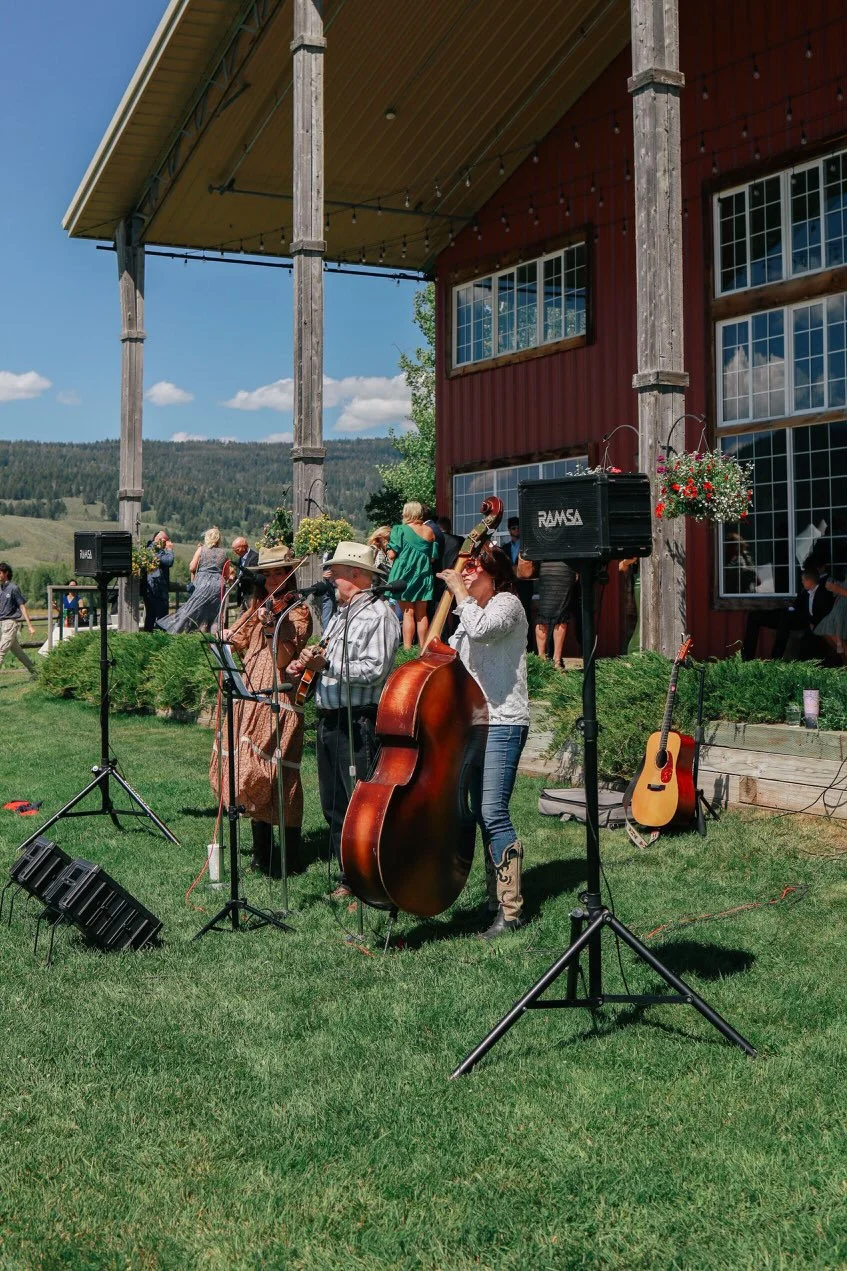
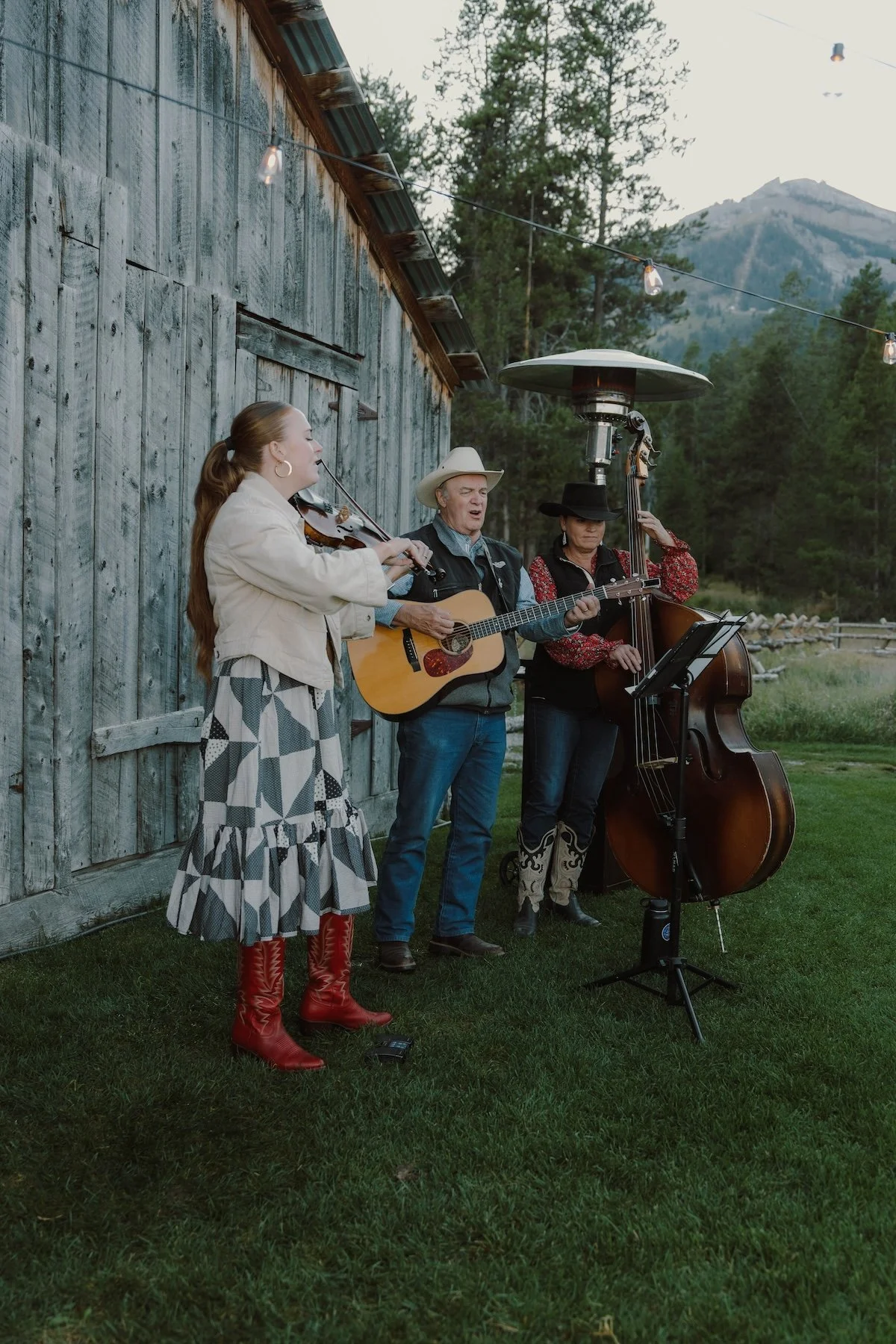
A trio includes three musicians, combinations include:
violin, viola, cello
2 violins and cello
violin, cello, and harp
fiddle, guitar and bass (or banjo)
What it sounds like
With three instruments, the music becomes much fuller and more dynamic. The ensemble can cover melody, harmony, and bass lines simultaneously, giving the music a richer sound.
Here’s some video examples of a string trio:
Best for
Outdoor ceremonies
Medium to large weddings
Couples wanting a full sound but slightly smaller ensemble than a quartet
Things to consider
A trio provides a balanced and elegant sound that fills the space nicely without feeling overwhelming.
String Quartet
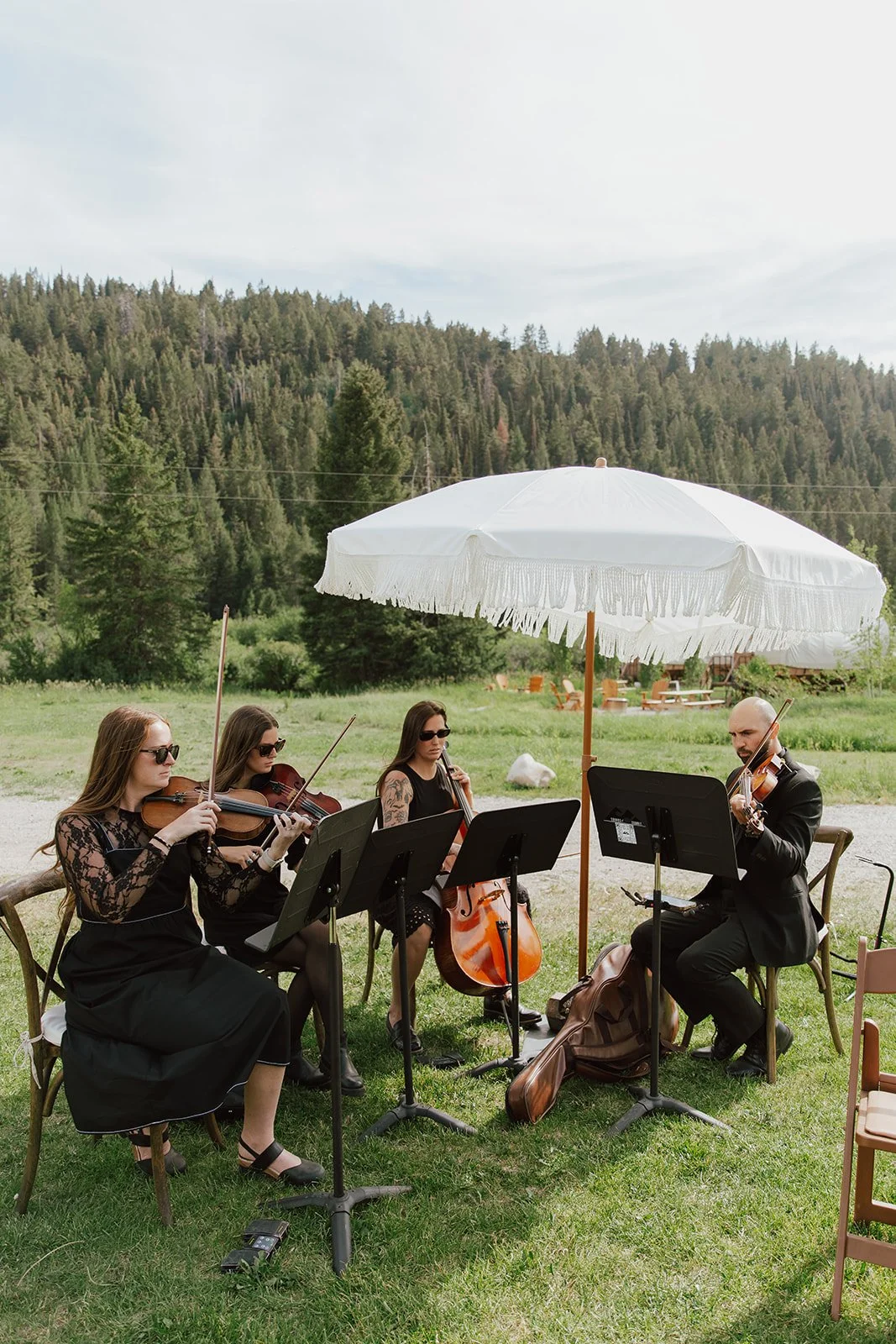
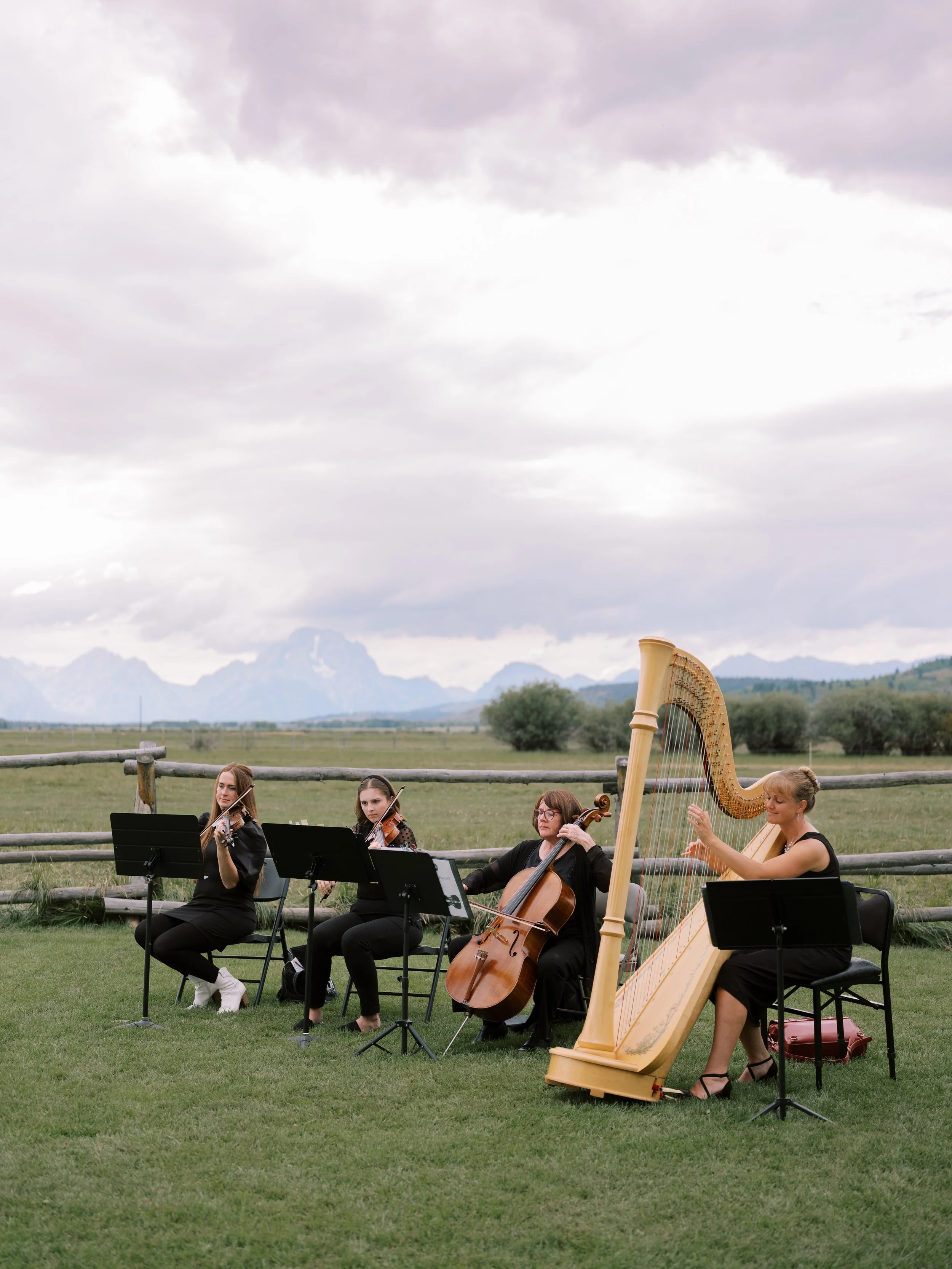
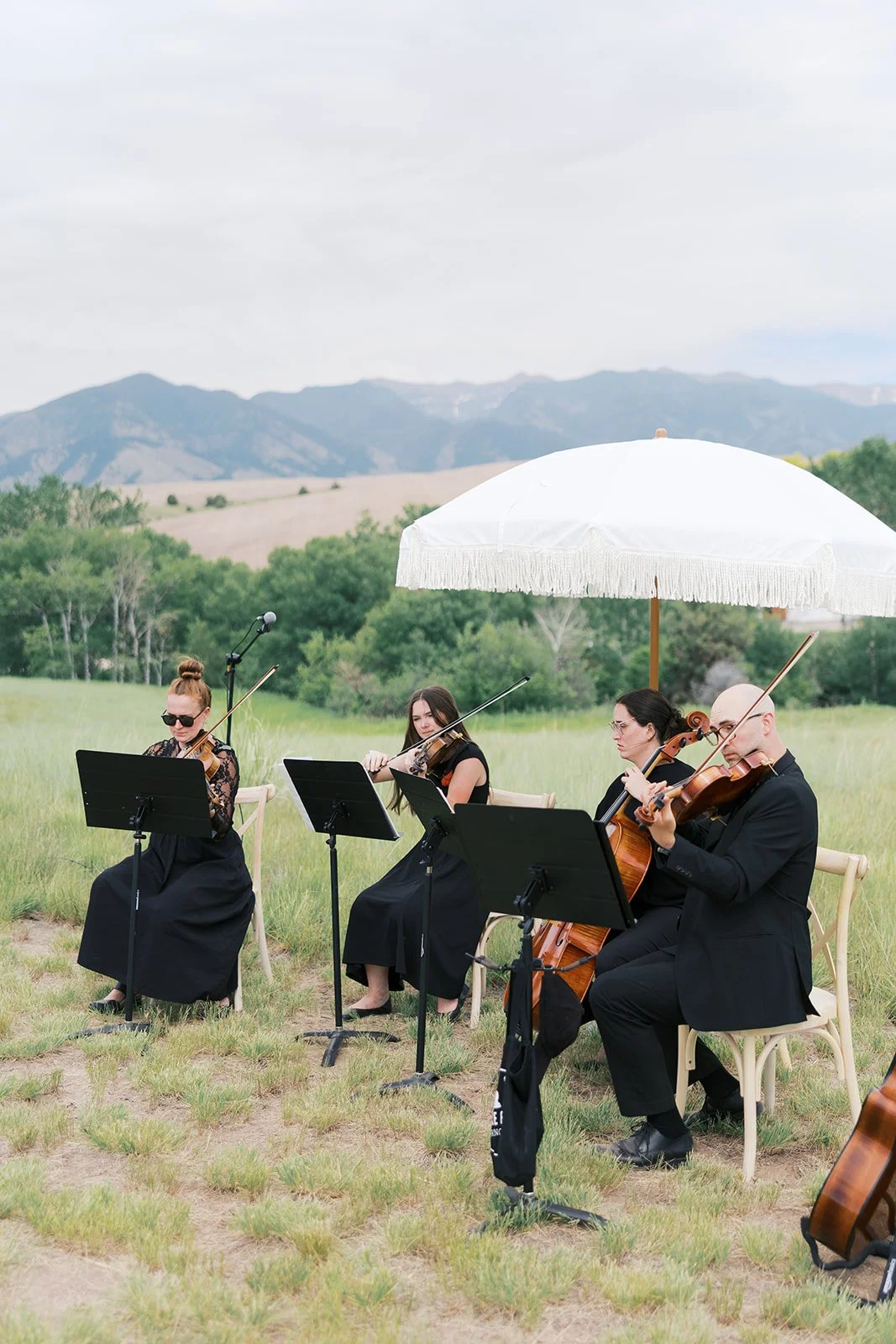
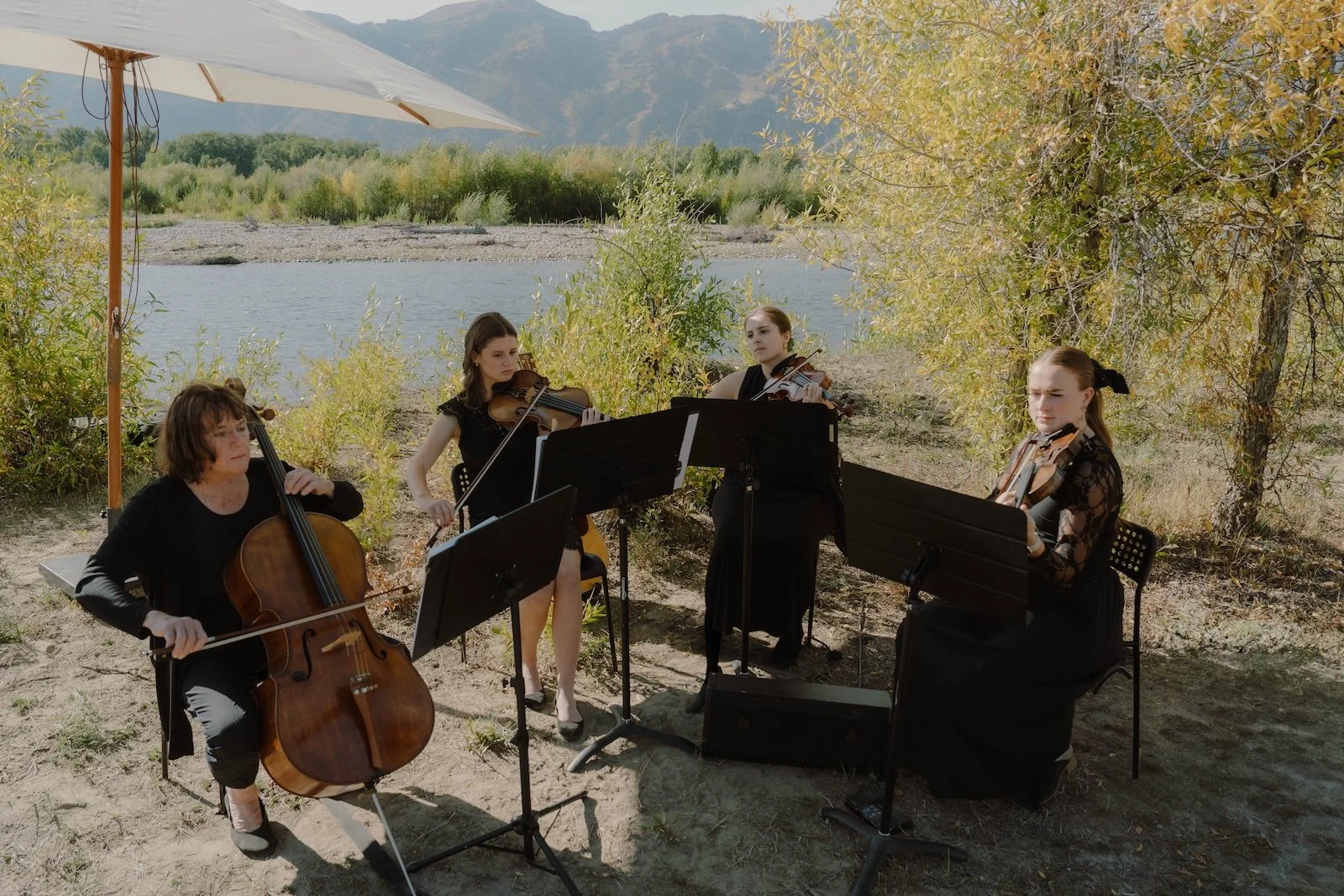
A string quartet typically includes two violins, a viola, and a cello but we can also do two violins, a cello, and a harp. This is considered the gold standard for classical wedding music.
What it sounds like
A quartet offers the richest and most layered sound of the ensemble options. With four musicians, the music has full harmony, depth, and volume.
Best for
Large venues
Outdoor ceremonies where sound needs to carry
Elegant, traditional weddings
Couples who want a luxurious musical experience
Things to consider
A quartet provides the most polished and orchestral sound, making it one of the most popular choices for weddings.
